How Long Do Vapes Last? Pods, Big Puff Kits and Batteries (UK 2026)
How long a vape lasts depends entirely on which part of it you mean. A standard 2ml prefilled pod lasts most UK vapers one to three days, which works out at roughly 600 to 700 puffs. A big puff prefilled kit rated anywhere from 6,000 to 30,000 puffs lasts about a week to a month depending on how heavily you vape. A refillable pod or a replaceable coil usually gives you one to two weeks of good flavour. The device itself, assuming you look after the battery, should keep going for one to two years of daily charging before it noticeably fades.
Those are the honest averages, and they are the numbers most people actually want when they type this question into Google. But averages hide a lot. Two people can buy the identical kit on the same day and one of them burns through it in four days while the other is still on the first pod a fortnight later. The difference is not the product, it is how hard it is being used, what is in it, how it is stored and how the battery is treated. This guide breaks down every component of a modern UK vape, explains why advertised puff counts almost never match real life, and shows you exactly how to squeeze more days out of each part without ruining the flavour or the hardware.
How long does a vape last on average?
If you want one number to plan around, here it is: a typical UK vaper who has switched fully from cigarettes gets through roughly 2ml of e-liquid per day. That is one standard prefilled pod, one refill of a small refillable pod, or about a fifth of a 10ml bottle. Everything else follows from that figure.
- A 2ml prefilled pod: one to three days. Light users stretch it to four or five, heavy users empty it inside a single day.
- A big puff kit rated 6,000 puffs: roughly a week to ten days for an average user, because the headline number covers the whole system rather than one pod.
- A big puff kit rated 20,000 to 30,000 puffs: two to four weeks, sometimes longer if you are a light or social vaper.
- A refillable pod or a replaceable coil: one to two weeks before flavour starts going flat.
- The device and its battery: one to two years of daily use.
- A sealed 10ml bottle of e-liquid: one to two years on the shelf. Once opened, best used within a few weeks to a few months.
Those spans are wide on purpose. Nobody can tell you precisely how long your vape will last without knowing how often you reach for it, how long each draw is, what nicotine strength you are on and what flavour you have chosen. The rest of this guide explains each of those variables so you can work out your own number instead of relying on a manufacturer estimate.
In short: most UK vapers use about 2ml of e-liquid a day. That means one prefilled pod a day or two, a big puff kit lasting a week to a month, coils lasting one to two weeks, and a device lasting one to two years.
How long does a prefilled pod last?
A prefilled pod sold legally in the UK holds a maximum of 2ml of nicotine e-liquid, because that is the ceiling set by UK regulations. Nicotine strength is capped at 20mg per ml. Those two limits mean every compliant pod on the shelf carries broadly the same amount of liquid, so the differences between brands come down to coil design, airflow and how efficiently the device vaporises what is in there.
In practice, 2ml gives most people 600 to 700 puffs and lasts one to three days. If you are a recent switcher still reaching for the vape out of habit, expect the short end of that. If you are using it as a top-up alongside other nicotine products, you will comfortably see three or four days out of a pod.
- Draw length matters more than draw count. A two second puff and a five second puff are not the same event. Longer draws pull more liquid through the coil and empty the pod faster.
- Higher nicotine usually lasts longer. A 20mg pod satisfies a craving in fewer puffs than a 10mg one, so heavy vapers often find the stronger option is cheaper over a week.
- Airflow setting changes everything. An open, airy draw uses noticeably more liquid per puff than a tight, cigarette-style draw.
- Warm devices drink faster. A pod that has been sitting in a car or a coat pocket near a radiator will wick more freely and empty quicker.
Whichever way you go, prefilled pods are the easiest format to budget for because the capacity is fixed by law. Browse the prefilled pod kits range and you will find the pod capacity is identical across brands, which makes comparing value genuinely straightforward for once.
How long do big puff vapes last?
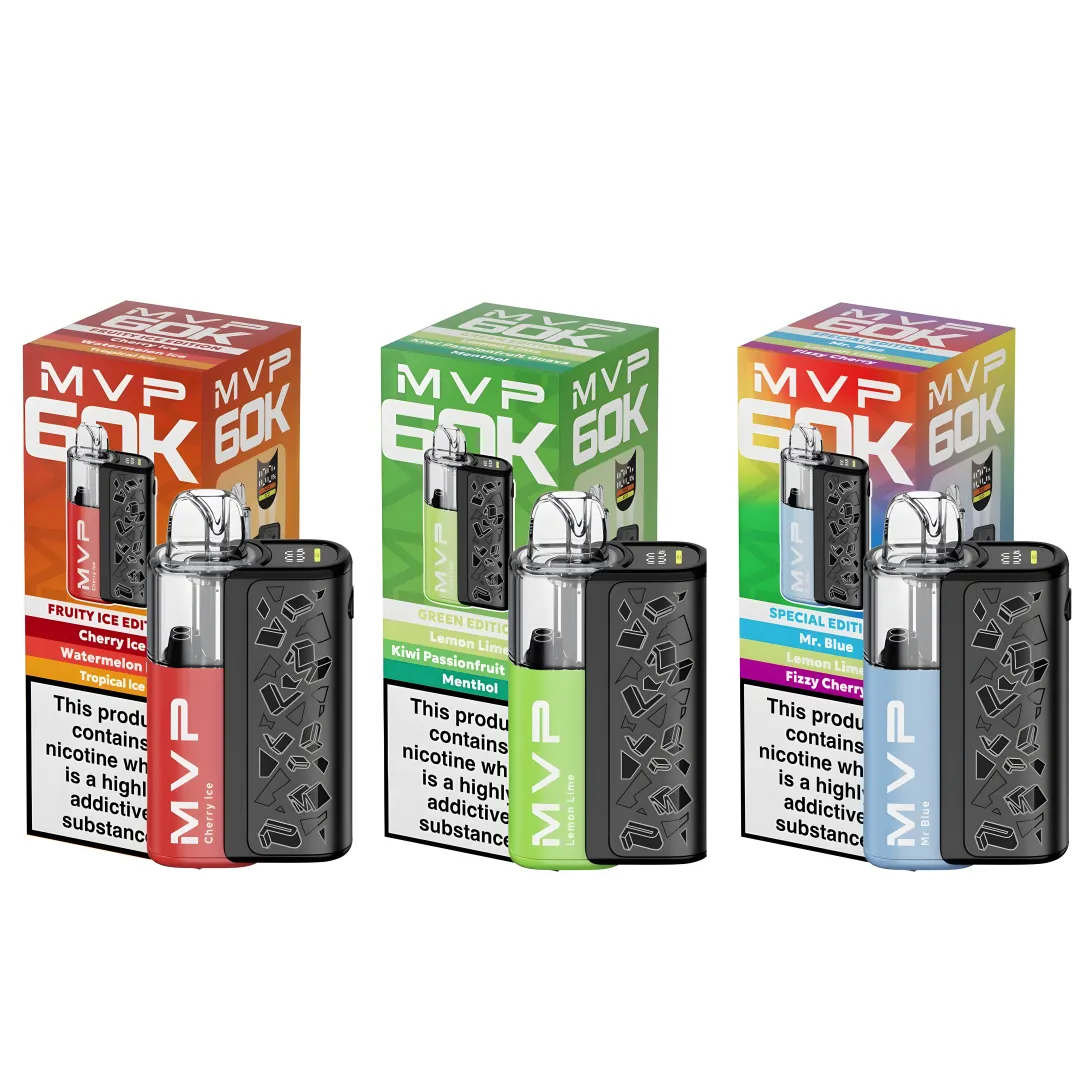
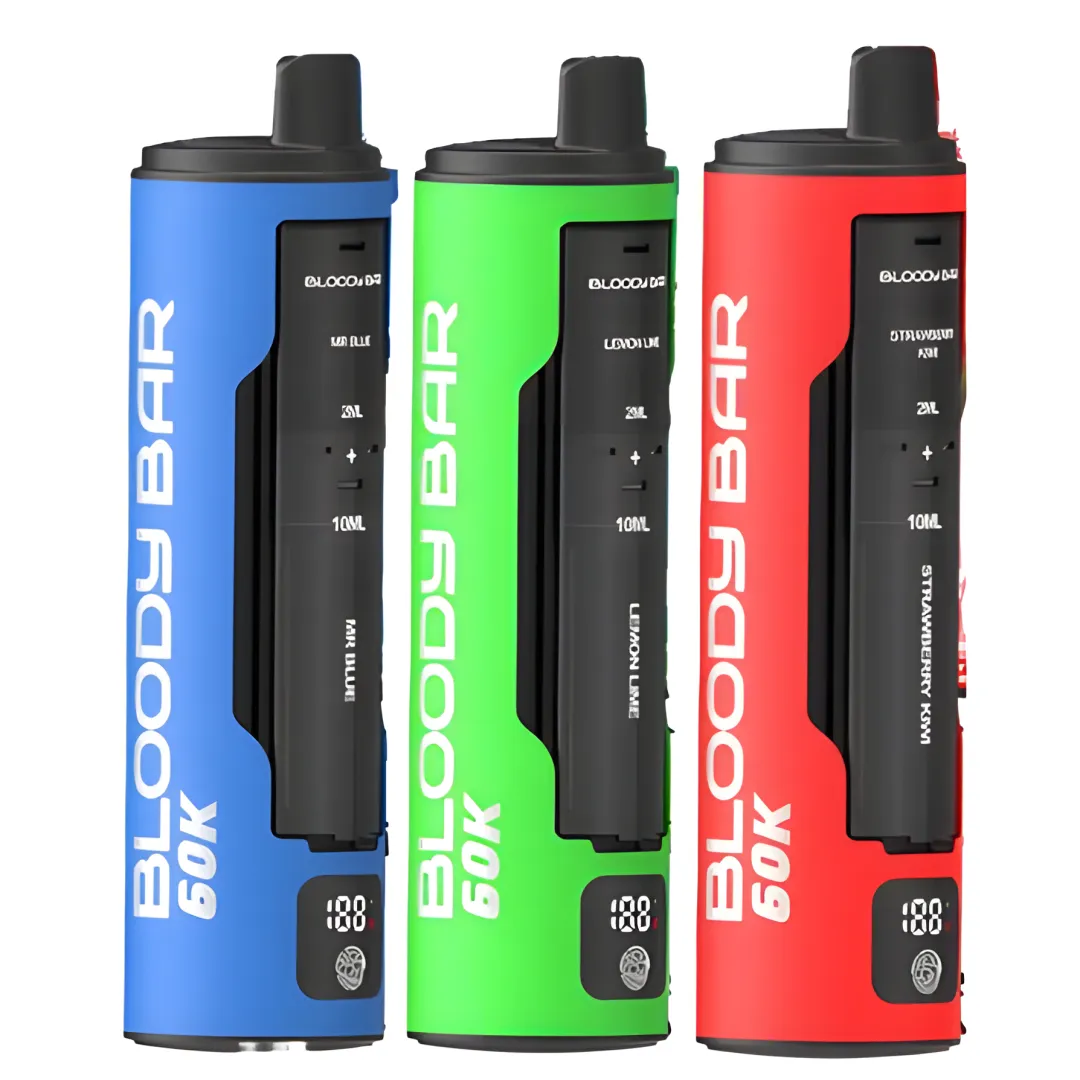
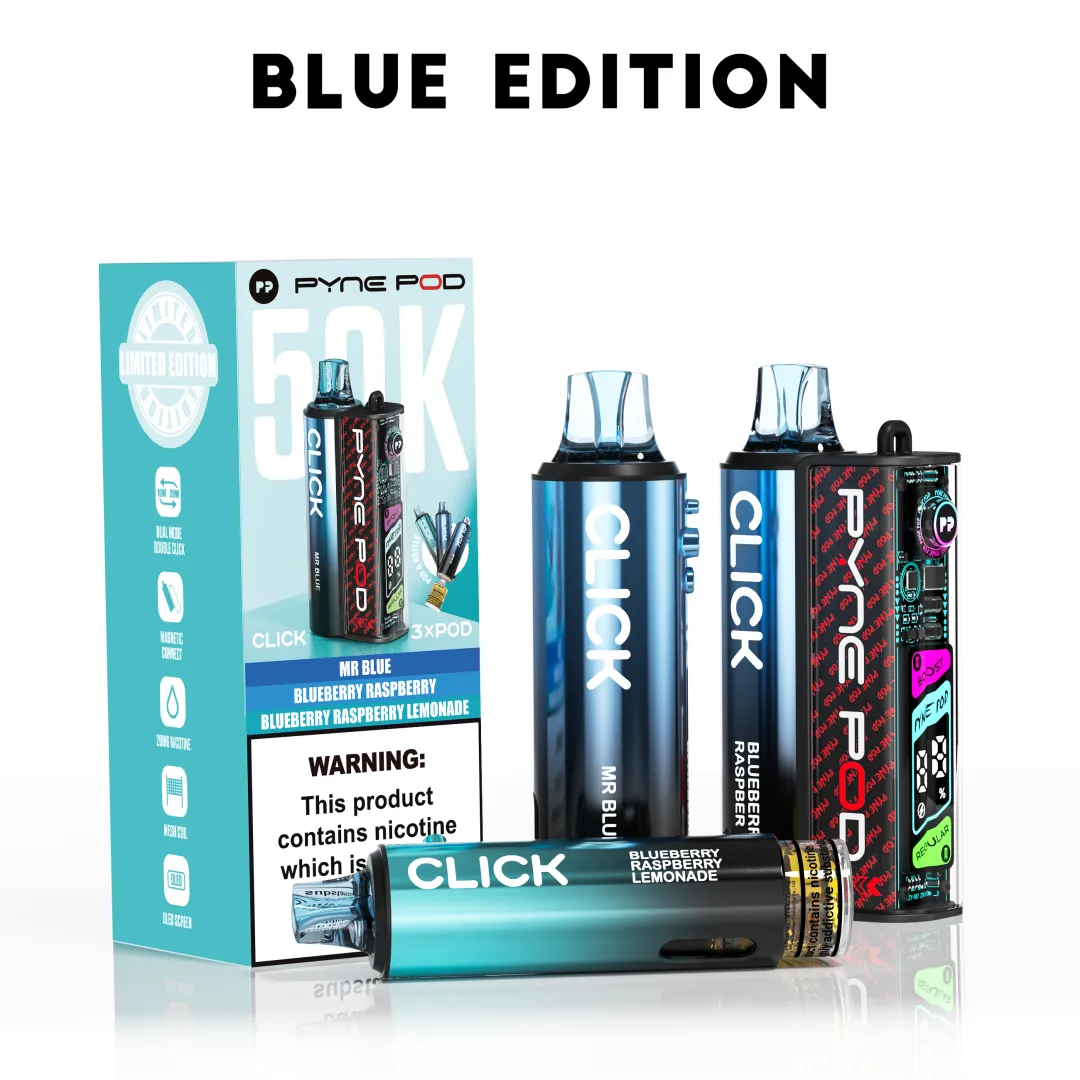
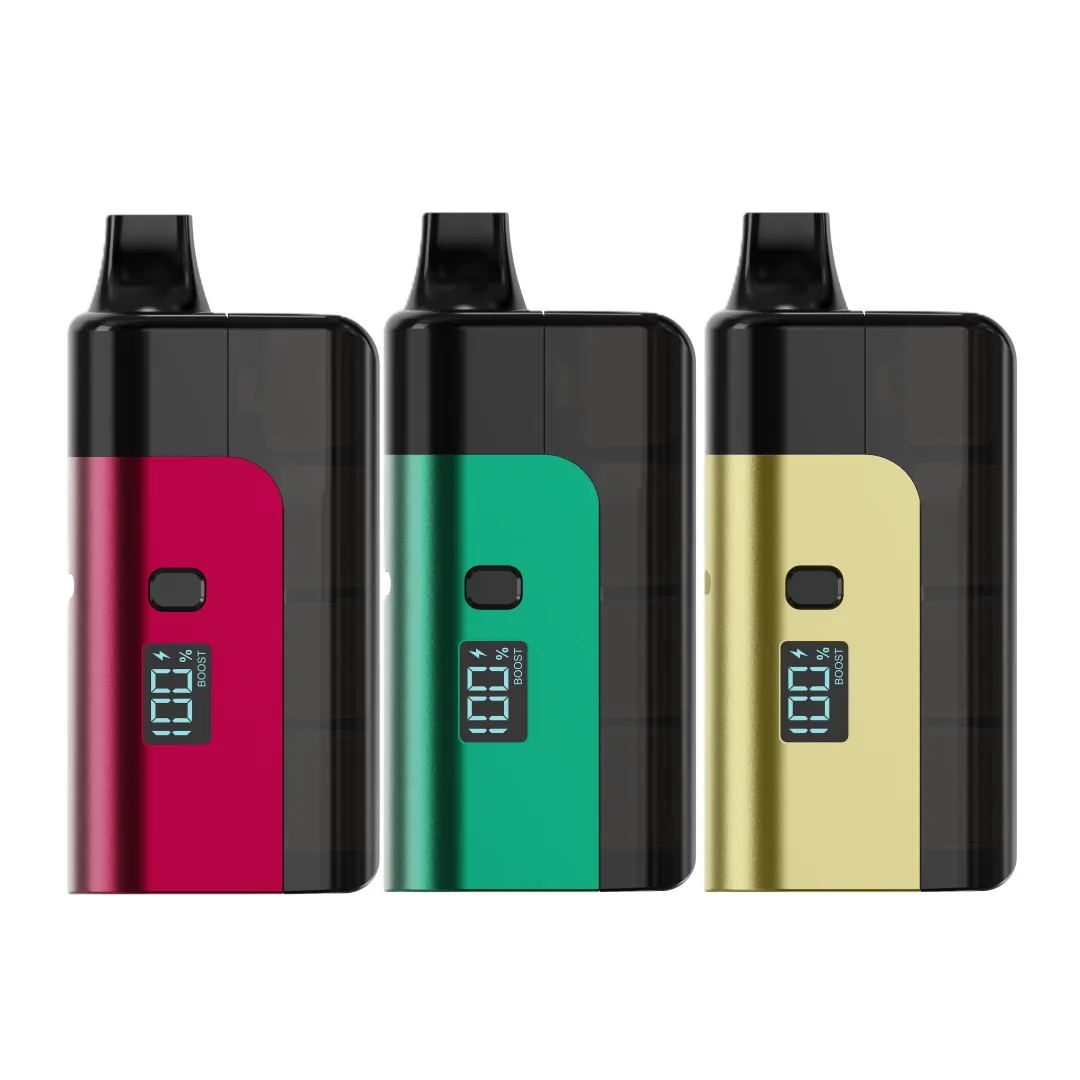
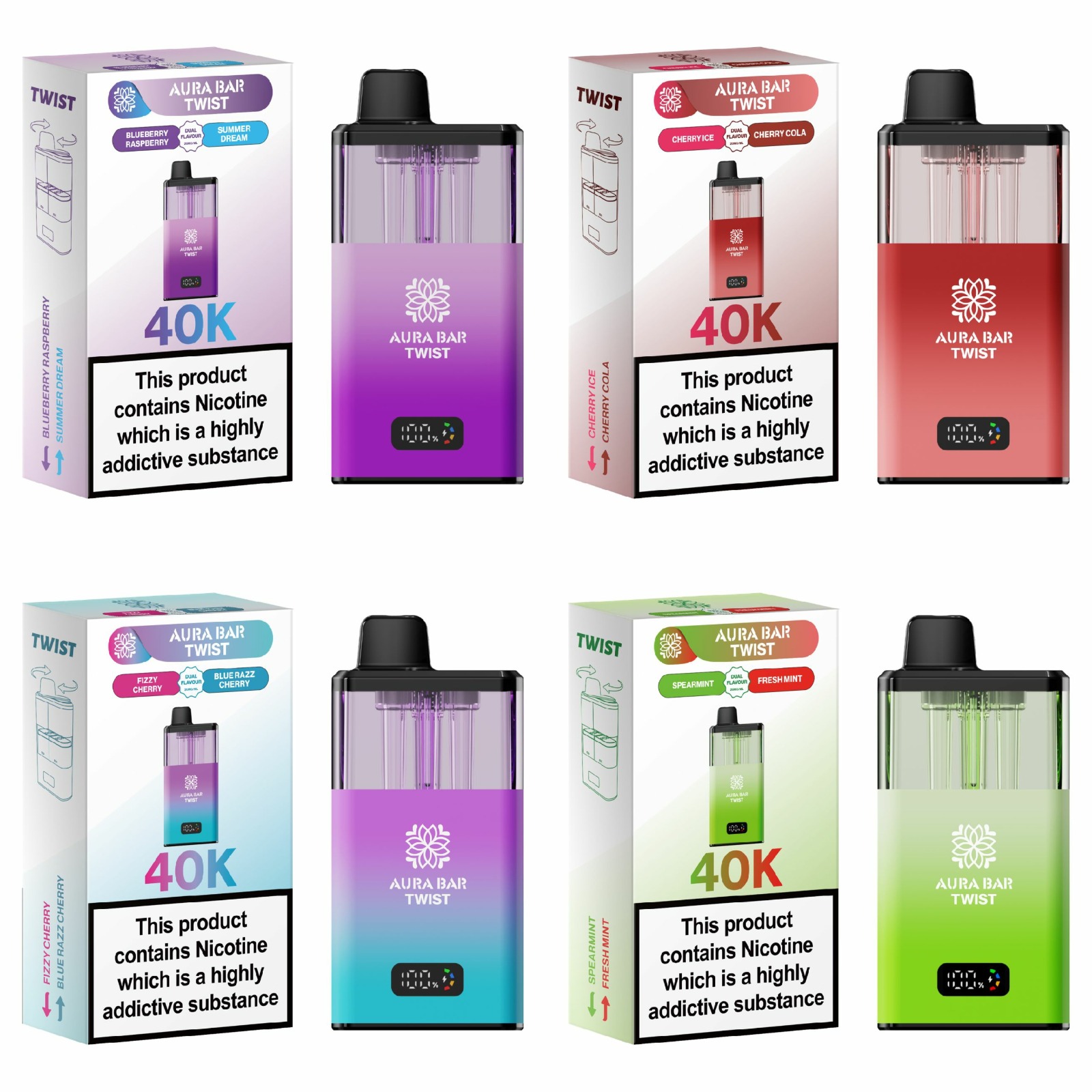
Big puff vapes are the devices marketed with the headline numbers: 6,000, 10,000, 15,000, even 30,000 puffs. Since single-use disposables were banned from sale in the UK in June 2025, every one of these is now a rechargeable device that takes replaceable prefilled pods. That matters for the maths, because a single UK-legal nicotine pod still holds no more than 2ml. A headline number in the tens of thousands is a rating for the whole system, meaning the device plus the run of pods it is designed to work through, not a promise that one little pod will deliver 30,000 puffs.
Once you understand that, the real-world durations make sense:
- 6,000 puff kits: roughly a week to ten days for an average user, a fortnight or more for a light one. See the 6000 puff vapes range.
- 10,000 puff kits: typically ten days to a fortnight of daily vaping. The 10000 puff vapes category is the sweet spot for most people who want fewer trips to the shop.
- 30,000 puff kits: comfortably three to five weeks for most users, which is why the biggest tier has become the default for heavy vapers who hate running out.
The trade-off is size and upfront cost. A bigger rated kit is physically chunkier and costs more on the day you buy it, but the cost per day falls. If you are weighing up which tier suits you, the guide to the best big puff vapes compares them properly, and big puff vapes explained covers how the format actually works under the shell.
Are advertised puff counts accurate?
Not really, and it is worth being blunt about why. Advertised puff counts are produced by testing machines, not humans. A machine takes a consistent, short, gentle draw of around two seconds with a fixed airflow and it repeats that draw until the liquid runs out. Divide the total liquid by the liquid used per machine puff and you get the number on the box.
Real people do not vape like machines. A real draw is often three to five seconds, sometimes longer. Real people chain vape when they are stressed, take deeper pulls when they have just eaten, and leave the device rattling around in a bag where it primes itself. Every one of those behaviours uses more liquid per puff than the test does.
In short: treat the advertised puff count as a ceiling, not a forecast. Most people land somewhere between 50 and 80 per cent of the headline number, and the gap widens the harder you vape.
That is not a scandal, it is just a measurement convention, and every brand uses the same one so the numbers remain useful for comparing products against each other. A 10,000 puff kit really will last you noticeably longer than a 6,000 puff kit, even if neither hits its label exactly. Use the numbers as a relative ranking rather than an absolute promise, and you will not be disappointed.
- A good rule of thumb: knock a third off the advertised figure and you will have a realistic estimate for average daily use.
- Knock half off if you are a heavy vaper who takes long draws or chain vapes in the evening.
- Add a bit back if you are a light or social user who only vapes outside work hours.
How long does a refillable pod or coil last?
If you have moved on to a refillable setup, the consumable you are tracking is the coil, whether that is a standalone replaceable coil or a whole pod with the coil built into it. The usual working life is one to two weeks of daily vaping, though that can fall to a few days or stretch to three weeks depending almost entirely on what you are putting through it.
A coil does not fail dramatically. It degrades. Flavour goes slightly muted, then dull, then takes on a faint scorched edge, then finally becomes properly unpleasant. Most people replace it somewhere in the middle of that slide, at the point where the juice they love stops tasting like the juice they love.
- Sweet, dark and dessert flavours kill coils fastest. Sucralose and other sweeteners caramelise on the hot wire and build up a layer of residue that blocks flavour. A heavy dessert or custard liquid can finish a coil in under a week.
- Light fruits and menthols are gentle. A clean citrus or mint liquid can leave a coil tasting fine for two to three weeks.
- Higher power shortens coil life. More watts means more heat means faster residue build-up and faster wire degradation.
- Running the tank low is the classic killer. A dry wick that gets fired is scorched permanently, and no amount of refilling brings it back.
The upside of refillables is cost. Once you are past the initial spend on a device from the refillable pod kits range, you are only paying for coils and a bottle from the e-liquids range, which usually works out cheaper per week than prefilled pods. The downside is maintenance, which is exactly the trade-off you are choosing when you pick this format.
How long does the vape device itself last?
Separate from pods and coils, there is the hardware: the battery, the charging port, the board and the contacts. A decent modern pod device treated reasonably will give you one to two years of daily use. Some last considerably longer. Some die at eight months because they were dropped in a sink or left on charge overnight, every night, for months.
The limiting component is almost always the lithium cell. These batteries are rated for a few hundred full charge cycles, after which they still work but hold noticeably less charge than they did when new. You will feel that long before the device stops functioning. A vape that used to comfortably do a full day and now needs a top-up at lunchtime has not broken, it has simply aged.
- The charging port is the second most common failure. USB-C sockets take a battering in pockets and eventually go loose or intermittent.
- Contacts get gunky. Liquid seeps into the pod bay, dries on the connection pins and causes misfires that look like a dead device.
- Buttons and airflow switches wear out after tens of thousands of activations, which on a daily-use device is a matter of months to years.
Most of these are preventable or fixable, and the battery care section below goes into the detail. If battery endurance is your main priority when buying, the roundup of the best vape battery life devices is the shortcut, because capacity and charging speed vary far more between kits than most people realise.
How long does e-liquid last before it goes off?
E-liquid does not spoil the way food does, but it does degrade. A sealed bottle typically has a shelf life of around one to two years from manufacture, and most UK bottles carry a best before date printed on the label or the box. Kept in a cool, dark cupboard, an unopened bottle will still be perfectly usable at the end of that window.
Once you break the seal, the clock speeds up. Oxygen gets in, nicotine slowly oxidises and flavour compounds start to fade. You will usually notice the change within a few weeks to a few months of opening, and it shows up as a darker colour and a slightly flatter, more peppery taste. It is not dangerous, it is just past its best. In practice this rarely matters, because at 2ml a day you will empty a 10ml bottle in about five days anyway.
- Heat is the biggest enemy. A bottle left on a sunny windowsill or in a car will darken in days rather than months.
- Light accelerates it too. Clear bottles left out on a desk age faster than the same liquid in a drawer.
- Air in the bottle matters. A half-empty bottle degrades faster than a full one because there is more oxygen in contact with the liquid.
- Darkening is normal, not a fault. Nicotine liquids naturally go amber over time and remain fine to use.
The fix is simple: cool, dark, sealed tight, upright. The full routine is covered in how to store vape juice, which is worth five minutes if you buy in bulk when there is an offer on.
How many puffs a day is normal?
This is the question underneath the question, because if you know your daily puff count you can predict how long any product will last you. Most regular UK vapers who have fully switched from cigarettes land somewhere between 200 and 400 puffs a day. Light or social users sit well under 150. Heavy users, particularly in the first few months after switching, can exceed 600.
The cigarette comparison is the useful anchor. A single cigarette is commonly taken in roughly ten to fifteen draws, so a twenty-a-day habit works out around 200 to 300 puffs daily. That lines up neatly with the average vaper figure, which is reassuring rather than alarming: it suggests most switchers settle at a broadly similar intake pattern rather than escalating wildly. The full breakdown is in how many puffs in a cigarette.
Where vaping genuinely differs is availability. A cigarette forces a break: you go outside, you finish it, you come back in. A vape sits on the desk and asks nothing of you, so it is very easy to take fifteen absent-minded puffs during a stressful email without noticing. That is the mechanism behind most cases of a pod disappearing far faster than expected.
- Count for one day. Many devices have a puff counter on the screen. If yours does, look at it for a week and you will have a better estimate than any online calculator.
- Watch the pattern, not just the total. Clusters of puffs usually mark stress or boredom rather than nicotine need.
- Higher strength can lower the count. Switching up in nicotine often reduces total puffs, which is why some heavy vapers find they use less liquid on 20mg than on 10mg.
What makes a vape run out faster?
If your vape is consistently lasting less time than everyone else seems to get, it is almost always one of a short list of causes. None of them are faults with the product.
- Chain vaping. Taking multiple puffs back to back gives the wick no time to resaturate. That both burns liquid quickly and stresses the coil, so you lose days off the pod and days off the coil at the same time.
- Long draws. Doubling your draw length roughly doubles your liquid consumption. This is the single biggest lever most people have and the one they are least aware of.
- Sweet e-liquids. Heavily sweetened dessert, candy and cereal flavours coat the coil in residue. The device still works but flavour dies early, so people replace pods sooner than they need to.
- Heat. A device left in a car, on a windowsill, on top of a laptop or next to a radiator will leak, over-wick and consume liquid faster. Heat also permanently reduces battery capacity.
- Running the battery flat repeatedly. Deep discharges wear lithium cells much faster than partial ones. A device you always run to zero will age visibly faster than one you top up.
- High power settings. On adjustable devices, every extra watt is more liquid vaporised per second and more heat on the coil.
- Vaping outdoors in the cold. Cold liquid is thicker and wicks more slowly, and cold batteries report lower charge. Both make a device feel like it is dying when it is not.
In short: chain vaping, long draws, sweet liquids and heat are the four things that cost you the most days. Fixing draw length alone typically adds a day or two per pod.
How do you make a pod or coil last longer?
There is no trick that doubles coil life, but there are five habits that reliably add days, and together they add up to a meaningful saving over a year.
- Prime a new coil properly. On a refillable, drip a few drops of liquid directly onto the exposed cotton, fit it, fill the tank and then leave it standing for five to ten minutes before the first puff. On a prefilled pod, clip it in and wait a couple of minutes. This single step prevents most premature burnt tastes.
- Never let the level drop to empty. Refill or swap when the liquid reaches about a quarter remaining. Firing a dry wick even once causes permanent damage.
- Pause between puffs. Ten to fifteen seconds is enough for the wick to resaturate. It feels like nothing but it is the difference between a coil that lasts four days and one that lasts two weeks.
- Rotate your flavours. Alternating a sweet dessert with a lighter fruit or menthol slows residue build-up considerably.
- Keep it cool and upright. Store the device standing up, out of direct sun, away from radiators and out of car dashboards.
If you are already getting a scorched taste and want to know whether the coil is recoverable or done, why does my vape taste burnt walks through the diagnosis. In most cases a genuinely burnt coil cannot be saved and the cheapest move is to swap it rather than push on and put yourself off vaping altogether.
How do you make a vape battery last longer?
Two different questions hide in here: how do you get more hours out of a single charge, and how do you get more years out of the cell. Both are worth answering.
For more hours per charge:
- Lower the power setting if your device has one. Dropping a few watts can add a third to your runtime.
- Use a tighter airflow, which naturally encourages shorter draws.
- Keep the device out of the cold. Batteries report lower voltage when chilled and devices cut out early as a result.
- Turn the device off when it is in a bag, if it has a lock function. Accidental firing in a pocket drains batteries and ruins coils.
For more years of life:
- Avoid running it flat regularly. Charging from around 20 per cent rather than zero is significantly gentler.
- Unplug when it is full. Leaving a device on charge for hours after it has finished adds heat and wear.
- Use a sensible charger. A basic phone charger or a computer USB port is fine. A high-output fast charger designed for laptops is not doing your small cell any favours.
- Do not charge a cold device straight from outside, and never charge one that has been in direct sun. Let it reach room temperature first.
- Keep the port clean. Pocket lint in a USB-C socket causes intermittent charging that people usually misdiagnose as a dead battery.
Do all of that and a good device will still be going strong after eighteen months. Ignore all of it and you will be shopping again within the year. The detailed version lives in the vape battery guide.
What are the signs a pod or coil is finished?
Pods and coils tell you they are finished, but the signals are easy to misread as a fault with the device or the liquid. Here is what to look for.
- Flavour has gone muted or generic. This is the earliest and most reliable sign. Your mango stops tasting like mango and starts tasting like sweet vapour.
- A dry, scorched or peppery note on the exhale. Once this appears it does not go away, and it will get worse with every puff.
- Visible dark residue on the coil or a darkened pod window. On clear pods you can literally see the build-up.
- Reduced vapour despite a full pod. A clogged coil cannot wick properly, so output drops even though there is plenty of liquid.
- Gurgling or spitting. A saturated, worn wick that is no longer vaporising efficiently pools liquid in the chimney.
- Leaking that was not there before. Seals and wicks degrade, and a pod that starts weeping into the device bay is past its useful life.
Flavour fading is the signal to change a pod or coil. Waiting until it tastes burnt means you have already vaped through several days of poor experience for no saving at all, because the liquid still gets used up whether or not it tastes any good.
If the symptoms are more about weak draw or nothing happening at all rather than taste, the problem is more likely hardware than coil, and the airflow sensor, contacts or battery are the usual suspects.
What are the signs the device itself is done?
Distinguishing a worn-out device from a worn-out pod saves both money and frustration. The test is simple: fit a brand new pod or coil. If the problem persists, it is the device.
- Charge time has collapsed. A device that used to last all day and now needs charging twice has a tired cell. It will keep working but the runtime will not come back.
- It will not hold charge at all, or it charges to full and drops to empty within an hour.
- Intermittent firing. Works, then does not, then works again, usually caused by worn contacts or a failing airflow sensor.
- Charging only works at a certain cable angle. That is a loose USB-C port and it is not worth repairing on an inexpensive device.
- Physical swelling or heat. A battery that feels hot in normal use or where the casing has started to bulge should be stopped immediately and disposed of properly at a battery recycling point, never in household waste.
- Cracked casing or liquid inside the body. Once liquid has reached the board, misfires and dead ports follow.
One caveat worth repeating: most devices that seem dead are not. Dirty contacts, a locked device, a lint-filled charging port and a blocked airflow sensor account for a large share of apparent failures, and all four are fixable in two minutes with a cotton bud and a bit of patience.
How much does each type of vape cost per week?
Lifespan only matters because of cost, so it is worth reframing everything above in pounds per week rather than days per pod. The exact figures move with brand and offers, but the relative ranking is stable and it is what you should be deciding on.
- Prefilled pod kits have the lowest entry price and the highest running cost. You buy the device cheaply and then keep buying pods. For a light vaper this is genuinely economical. For a heavy vaper getting through a pod a day, it is the most expensive way to vape over a year.
- Big puff kits sit in the middle. The upfront cost is higher and the per-week cost falls as you climb the puff tiers, because you are paying for more liquid in fewer transactions. Most daily vapers find a mid or high tier kit works out cheaper per week than a pod-a-day habit.
- Refillable pod kits with bottled liquid have the highest upfront cost and by some distance the lowest running cost. You pay for a device once, then coils occasionally and bottles regularly. Over a year this is almost always the cheapest route.
The crossover point depends on how much you vape, which is why a vape cost calculator is more useful than any general advice. Plug in your real daily consumption rather than what you think it should be, because the honest number is usually higher than the guess, and that is precisely the number that decides which format saves you money.
In short: prefilled pods are cheapest to start and dearest to run. Refillables are dearest to start and cheapest to run. Big puff kits sit between the two and suit people who want low effort with a lower weekly cost than pods.
When is replacing better than persevering?
There is a point where trying to nurse a vape along costs more than replacing it, in money and in enjoyment. A few clear lines:
- Replace a coil or pod the moment flavour drops off, not when it tastes burnt. You are not saving anything by pushing on, and a bad experience is the most common reason people drift back to cigarettes.
- Replace the device when runtime halves. If it used to do a day and now does half a day, the cell is worn. You can keep using it, but you will be tethered to a charger and the frustration compounds.
- Replace immediately on any heat, swelling or burning smell, regardless of how new it is. Battery safety is not a place to economise.
- Replace rather than repair a loose charging port. On an inexpensive device, the repair is rarely worth it.
- Consider a format change rather than a like-for-like replacement. If you are buying two pods a day, you have outgrown prefilled pods and a bigger kit or a refillable will cost you less every single week from here.
It is also worth checking your device is legal to buy and use in its current form. UK rules changed significantly in recent years, particularly the ban on single-use disposables, and anything still floating around from before that is not something you want to rely on. UK vape laws 2026 is a plain-English summary of where the rules currently stand.
Which type of vape lasts longest for your habit?
The final question is not which vape lasts longest in the abstract, it is which one lasts longest for you. Match the format to your actual pattern rather than to the biggest number on the packaging.
- If you vape occasionally, socially or as a top-up: a prefilled pod kit is the right answer. A pod will last you the best part of a week, there is nothing to maintain, and you are not tying up money in a big kit you would only half use.
- If you vape daily but hate maintenance: a big puff kit from the 10,000 tier upwards. Weeks between purchases, no coils to change, no bottles to carry.
- If you are a heavy vaper who runs out constantly: go straight to 30000 puff vapes or move to refillables. Both cut your weekly spend substantially compared with a pod-a-day habit.
- If you want the lowest running cost and do not mind five minutes of upkeep a week: a refillable device with bottled liquid. Nothing else comes close over twelve months, provided you are happy to change a coil now and then.
Whichever you choose, remember the single biggest variable is still you. Shorter draws, a pause between puffs, a cool storage spot and a battery that is not run flat every night will add more days to every part of your setup than any product upgrade will.
Frequently Asked Questions
How long does a 2ml vape pod last?
A standard UK 2ml prefilled pod lasts most people one to three days, which works out at roughly 600 to 700 puffs. Heavy vapers who take long draws can empty one in a single day, while light or social users often stretch a pod to four or five days. Higher nicotine strengths generally last longer because fewer puffs are needed to satisfy a craving.
How long does a 10000 puff vape last?
A kit rated at 10,000 puffs typically lasts an average daily vaper around ten days to a fortnight. Light users often get three weeks or more out of one. Bear in mind the headline number is a system rating measured by machine, so most people realistically see somewhere between 50 and 80 per cent of the advertised figure.
Why does my vape run out so much faster than advertised?
Advertised puff counts come from testing machines that take short, consistent two second draws. Real people take longer draws, chain vape when stressed and often use higher power settings, all of which consume more liquid per puff. Knocking about a third off the advertised number gives a realistic estimate for average use, or half if you vape heavily.
How long does a vape coil last?
A replaceable coil or refillable pod usually lasts one to two weeks of daily vaping. Sweet dessert and candy flavours contain sweeteners that caramelise on the coil and can cut that to under a week. Light fruits and menthols are much gentler and can leave a coil tasting good for two to three weeks.
How long does a vape battery last before it needs replacing?
A modern pod device battery typically gives one to two years of daily charging before capacity noticeably drops. The cell is rated for a few hundred charge cycles, so avoiding deep discharges, unplugging once full and keeping the device away from heat all extend its life. When runtime has roughly halved, it is time to replace the device.
Does e-liquid go off?
E-liquid does not spoil like food but it does degrade. A sealed bottle usually has a shelf life of around one to two years and carries a best before date. Once opened, flavour and nicotine gradually decline over a few weeks to a few months, showing up as a darker colour and a flatter, slightly peppery taste. It remains usable, just past its best.
Is it cheaper to use a big puff vape or a refillable kit?
Refillable kits with bottled e-liquid have the highest upfront cost and by far the lowest running cost, so over a year they are almost always cheapest. Big puff kits sit in the middle and suit people who want low maintenance with a lower weekly spend than prefilled pods. A pod-a-day prefilled habit is the most expensive route over twelve months.
Can you still buy disposable vapes in the UK?
No. The sale of single-use disposable vapes was banned across the UK in June 2025. Every big puff device sold legally now is rechargeable and uses replaceable prefilled pods, and each nicotine pod is limited to 2ml with a maximum strength of 20mg per ml. Anything being offered as a true single-use disposable is not a compliant UK product.
Recommended products